Market intelligence:
The U.S. tariff divide



In the ever-evolving landscape of office transformations, major fit-out projects have become pivotal milestones—signaling significant shifts in a company’s growth while supporting economic, social, and governance (ESG) goals that help contribute positively to the environment. Here, we shed light on the complexities surrounding these projects and explore the steps that need to be taken to help ensure project success.
Undertaking a major fit-out goes beyond physical renovations; it’s a transformative journey that can elevate a brand, attract and retain talent, and enable strategic change. In today’s complex business environment, external pressures—such as evolving regulations and sustainability expectations—add additional layers of complexity.
Businesses are not only redefining their physical spaces, but also reimagining culture, operations, and stakeholder engagement. Below are some of the key considerations that should be taken into account when working on a major fit-out project.
Major fit-outs, often exceeding 250,000 sq ft, demand a unique approach. Beyond aesthetics, these projects can involve substantial structural changes and may require a broader shift in business culture. Successful delivery calls for a blend of technical expertise, strong interpersonal skills, and business acumen—capabilities that can sit outside the comfort zone of many organizations.
Building the right delivery team is critical to navigating the complexity of major fit-outs. With diverse design and construction partners and multiple stakeholder groups involved, coordination can quickly become challenging. Establishing clear communication, defined governance, strong reporting lines, and an agreed-upon decision-making structure helps keep teams aligned to a shared vision and consistent standards.
The success of a complex fit-out project depends on early, inclusive stakeholder engagement. Thorough and ongoing conversations with key business service teams are essential to align project objectives with different organizational priorities.
“Building relationships with stakeholders and business unit champions ensures a fit-out that not only reflects the vision but also functions practically, securing buy-in from all parties involved.”
Understanding the impact of corporate objectives is vital. For example, a goal to increase collaborative space may affect structural elements—often influencing cost and schedule. Real-world examples, such as Salesforce's Australian HQ fit-out, highlight the value of early engagement with architects and engineers, along with a clear-eyed view of downstream design implications.
Digital integration—especially through Building Information Modeling (BIM)—is increasingly central to major fit-outs. Today’s digital tools can drive efficiency throughout the project and across the asset lifecycle. Collaborating with BlackRock on an 850,000 sq ft headquarters fit-out in New York, we used BIM to improve coordination, reduce risk, and create an operational asset to support future development.
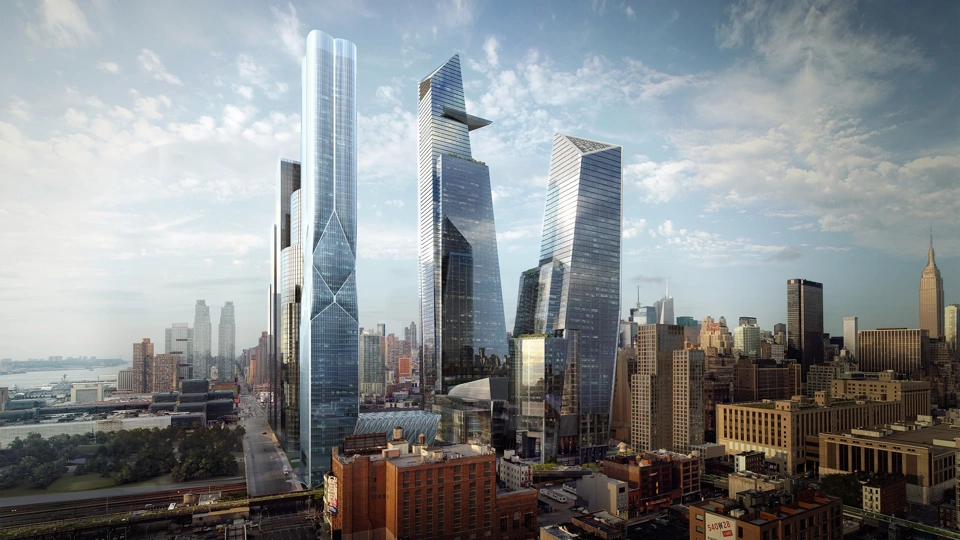
Major fit-outs can significantly affect day-to-day business operations, making a comprehensive communications and change management strategy essential. Success means bringing the entire employee community—along with neighboring businesses and the local community—on the journey. WarnerMedia’s program at 30 Hudson Yards demonstrates the importance of consultation and cultural change alongside the physical works.
Today, major fit-out projects are expected to align with sustainability goals and stakeholder expectations—helping reduce environmental impact while supporting long-term value. Sustainable practices may include specifying environmentally preferable materials, minimizing waste, and designing energy-efficient spaces. Pinsent Masons’ Crossover office fit-out in the Netherlands is a strong example; from its base build, it incorporated green technologies to achieve energy-neutral performance.
Social responsibility matters, too. Fit-out projects can create opportunities to engage local communities and support social causes—whether through local sourcing, job creation, or investment in community initiatives.
“Prioritizing sustainability and social responsibility in fit-out projects not only fulfils ethical obligations but also enhances brand reputation and attracts socially conscious stakeholders.”
The complexity of a major fit-out can’t be overstated. Organizations considering a shift should start by looking inward—clarifying what they want to achieve. Once a vision is defined, early-stage advice and support should be brought in to translate that vision into a deliverable, achievable project.
Having worked on multiple large-scale fit-out projects across workplace, retail, and other sectors, our top tips would be:
Be clear and aligned on the wide range of outcomes the project needs to achieve.
Plan for—and manage—ongoing communications with all stakeholder groups.
Carefully assemble the delivery team, bringing in experts with major-project experience and a proven track record.
Put comprehensive, robust controls in place to guide decision-making.
Take the time to define the objectives of a digital solution before it is launched.
By taking these steps, a successful outcome—and a true transformation for a business—can be realized.
Sign up for our newsletter - trends, market intelligence and expert perspectives.
Sign up for our newsletter - trends, market intelligence and expert perspectives.